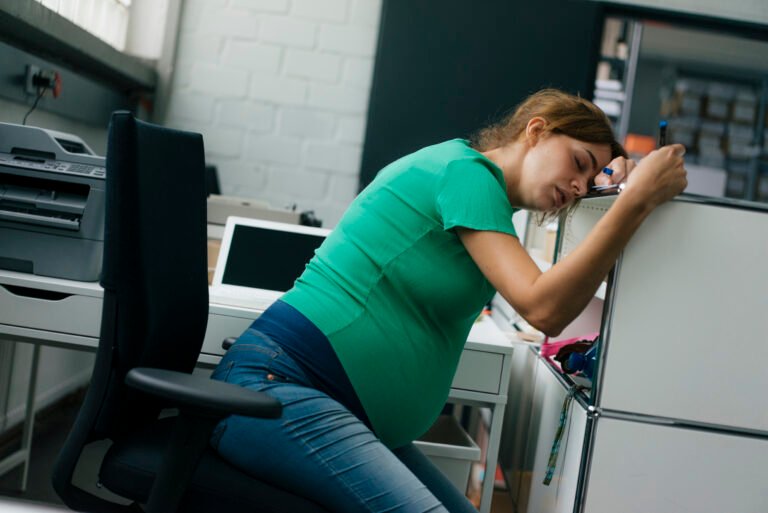
Nausea relief in early pregnancy that’s backed by science
Nausea in early pregnancy can range from mild queasiness to symptoms that interfere with daily life. Despite being commonly referred to as “morning sickness”, nausea can occur at any time of day and may feel unpredictable. For some it comes and goes in waves, but for others there is a lasting sense of nausea throughout the day.
This article focuses on evidence-based ways to manage nausea in early pregnancy, explains what is considered normal, and highlights approaches that should be avoided.
It is very common for other people to share their own ideas with you as to what helped during their own pregnancy. We’ll explore some of those ideas and look at the evidence behind the claims.
Why nausea happens in early pregnancy
Nausea is thought to be linked to rising levels of hCG and oestrogen, along with changes in digestion and heightened sensitivity to smells.
Nausea often begins in the first trimester and may peak between weeks 6 and 9, although this varies widely.
Some people do not seem to progress from nausea to being physically sick whilst for others the intensity grows over time. For others, vomiting from the early days is the norm.
An extreme form of sickness in pregnancy, Hyperemesis gravidarum (HG) typically sees vomiting due to rising hormone levels in the first trimester and it can lead to significant weight loss and dehydration. Because of this, people suffering from HG will often be prescribed medication to try to control the symptoms. Others will be admitted for IV fluids and to monitor. HG can last for many until 16-20 weeks but in some cases it can last throughout pregnancy.
Evidence-based nausea relief options
Eating little and often
Small, frequent meals can help stabilise blood sugar and reduce nausea. An empty stomach can worsen symptoms. Some people find comfort in eating little and often through the day. Often plain foods like toast / bread and salted crisps can bring comfort. For others it can be a taste of their cravings. Watch out too for food aversions that come and go as much as cravings!
You can read more here about your pregnancy cravings and what they might mean in relation to deficiencies in the rest of your diet.
Ginger for pregnancy sickness
There is evidence to suggest ginger may help reduce nausea for some people, though if you’ve tried this and it didn’t work for you, you’ll no doubt be frustrated with the amount of people who recommend it again and again! Ginger tea, biscuits or supplements may be helpful, but supplements should be discussed with a healthcare professional.
[Editor: I will never forget being 12 weeks pregnant and braving a trip to the hairdressers, only to throw up in a bin near the cash desk. The staff were lovely but couldn’t stop telling me to eat ginger. I’d been chewing on a ginger biscuit at the start of the appointment and knew it just wasn’t working for me. People mean well with their suggestions but sometimes, you know your body best!]
Vitamin B6 (pyridoxine)
Vitamin B6 has been shown to reduce nausea in some people. Always seek medical advice before taking supplements as it’s important to consult your own medical history before making a decision about what to take during pregnancy. As a general rule, consult your GP or midwife before taking any supplement which is not specifically designed for pregnancy.
Hydration
Sipping fluids regularly can help, particularly if vomiting is present. Cold or sparkling drinks may feel easier to tolerate. Some people enjoy sucking on ice chips or home made ice lollies with just a hint of flavouring. You can buy these calipo style ice pop moulds here to refill with your favourite juices or flavoured waters at home
What to avoid
Be cautious of:
- Herbal remedies without evidence
- Advice that discourages medical support
If nausea is severe or persistent, professional assessment is important. When sickness is impacting your daily life, doctors will be able to look at the situation holistically and support you in making a decision about whether anti-sickness medication is right for you.
What doesn’t usually work
Some companies sell bracelets for travel sickness and you may hear these being recommended for pregnancy sickness too. There is no evidence that these wearable devices can help you, but trying this comes without risk.
Some people will recommend you drink lemon infused water or inhale peppermint or other essential oils. There is no evidence base for these things reducing sickness or impacting the hormones that are making you sick, but anecdotally they can provide some comfort. Caution should always be taken with essential oils in pregnancy.
You may also hear people state that avoiding dairy in early pregnancy can be helpful but this has no medical evidence behind it and it’s also important to eat as balanced a diet as possible, especially whilst suffering with sickness.
Finally, some may recommend hypnosis. Whilst evidence is still forming as to the benefits of hypnosis in pregnancy, it’s more of a distraction technique in this instance than a cure. The hormones behind the sickness will not be altered due to hypnosis.
When nausea needs medical advice
Contact a healthcare professional if:
- You are unable to keep fluids down. In the meantime, try ice pops & ice lollies and foods with high water content such as melon and cucumber, as well as sips of water where possible, and seek help.
- You are losing weight. This can be considered normal in early pregnancy but losing too much weight can be a concern and affect the growth of your baby. Again, seek support.
- Vomiting is severe or persistent
- You feel dizzy or dehydrated
Key points
- Nausea is common in early pregnancy
- Evidence-based options exist
- Severe symptoms should always be assessed
- Safe support is available
References and further reading
Read more from Pregnancy Pal
-
Giving Birth Abroad: From Uncertainty To Confidence For English Speakers In Spain
Giving birth can feel daunting even when you know exactly how the maternity system works. Add an unfamiliar healthcare system, different expectations and conversations happening in a language that is not your own and pregnancy can suddenly feel much more complicated. For the founder of Born in Trust, Titia Kesteloot, that experience became the beginning…
-
Is It Normal to Feel Exhausted in Early Pregnancy?
Exhaustion in early pregnancy can feel overwhelming. Many people are surprised by how intense fatigue can be, particularly in the first trimester. Feeling extremely tired in early pregnancy is common and usually linked to hormonal changes. Early pregnancy exhaustion is not the gentle sort of “I stayed up too late watching telly” tired. It is…
-
Pregnancy Bra Fitting Guide: How to Get the Perfect Fit
If someone had told me that getting fitted for a bra would be one of the most helpful things in pregnancy, I might have blinked slowly and nodded while scrolling Instagram. But let’s be honest, when your body is doing the most dramatic redesign since puberty, a bra fitting in pregnancy moves from “optional” to…