Pregnancy Bra Fitting Guide: How to Get the Perfect Fit
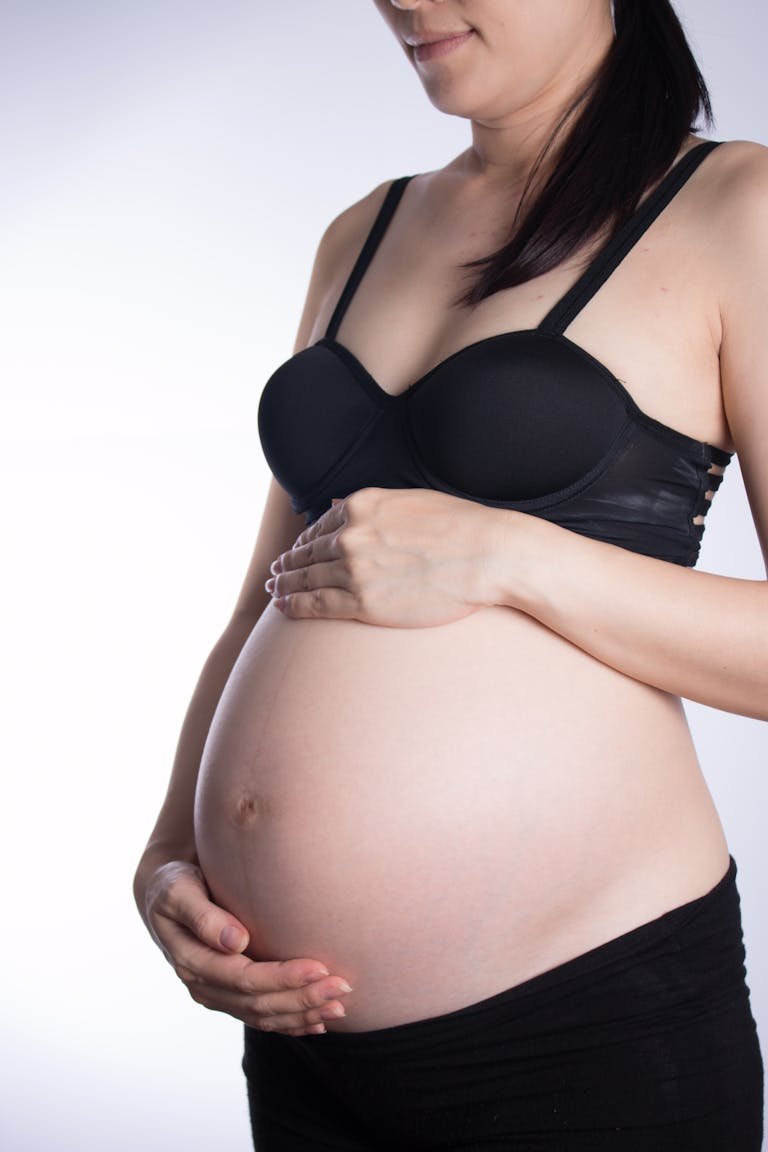
If someone had told me that getting fitted for a bra would be one of the most helpful things in pregnancy, I might have blinked slowly and nodded while scrolling Instagram. But let’s be honest, when your body is doing the most dramatic redesign since puberty, a bra fitting in pregnancy moves from “optional” to “actually life-saving comfort.” Your boobs expand, your rib cage widens and suddenly your old bras are basically medieval torture devices. Most women can go up a cup size (or two) and even increase their back size as pregnancy progresses.
If you were wondering WHY your breasts can hurt in early pregnancy, we’ve got this handy guide which details the hormones responsible and why you might feel it but your pregnant friend might not!
So when should you think about a new bra in pregnancy? There’s no magic week, but early signs of tight bands, digging straps or painful underwires are your cue to make an appointment with your local high street retailer for a measure and fit service. Many experts suggest getting professionally fitted in the second trimester, and checking again later in the third. This is because breasts can change throughout each stage of pregnancy, and a bra that fitted last month might pinch today.
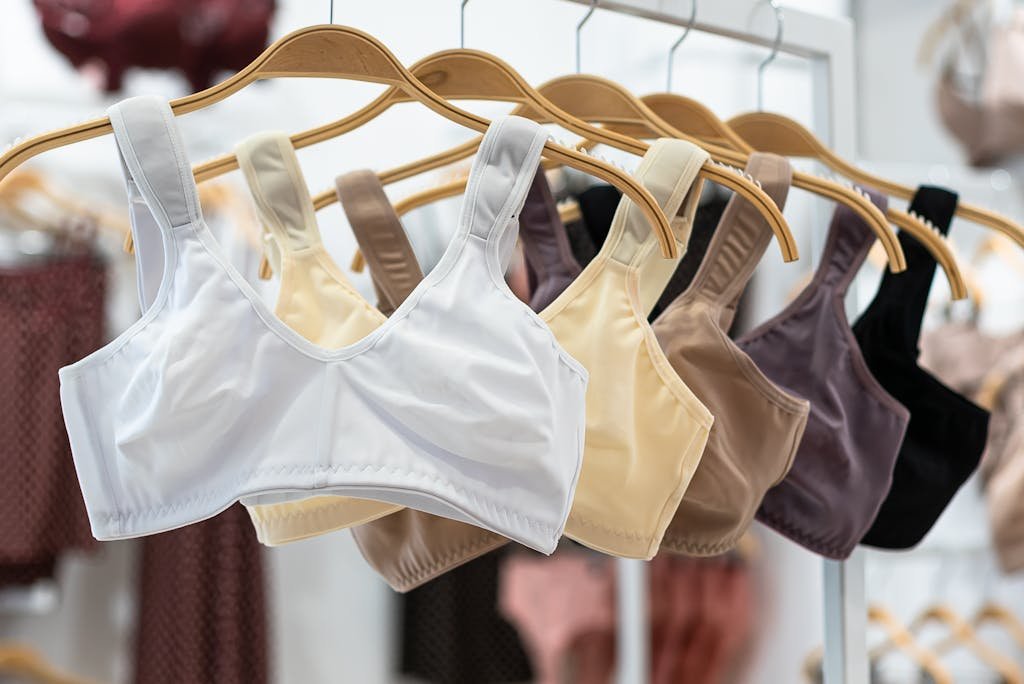
Wearing your new maternity bra on the tightest hook gives room for further growth. A good fit means full support without pressure spots and straps that don’t dig in when you lift your arms. Trust me, it’s worth losing ten minutes to a proper fitting over hours of nagging discomfort.
When to buy a new bra after having a baby
After your baby arrives becomes another big moment for bras. Your body doesn’t instantly switch back when that baby pops out; cup size can keep fluctuating as milk comes in and settles. Many women find the rib cage remains expanded for a few weeks after birth, meaning that postnatal bra fitting is just as important as during pregnancy.
Look for nursing bras that are roomy and soft, with easy access for feeding, while also offering enough support so that you aren’t wincing every time you pick up your little one. Whether you’re breastfeeding or not, this is your body right now, and it deserves comfort.
You’ve just taken on one of the biggest physical journeys life has to offer and your underwear should support that. Getting fitted isn’t about chasing your old size or clinging to a number; it’s about finding what feels good on your body in this moment, keeping your posture happy and your shoulders free of stress.
Breastfeeding positions can take their toll on upper arm strength and shoulder discomfort in the earlier days, so do make sure you’re looking after yourself by finding a bra fitting service that specialises in postnatal comfort. Comfort isn’t a luxury but an essential when you’re growing, healing and learning to care for your tiny newborn.
The Pregnancy Pal Guide to pregnancy and postnatal bra fitting
Walking into a bra fitting when your body feels unfamiliar can feel oddly vulnerable, so having a loose plan helps. Before you go, try to wear a non padded bra or no bra at all if that feels comfortable, as this gives the fitter a clearer idea of your natural shape. Avoid booking the appointment at the very end of the day if you can, as rib cages can feel tighter when you’re tired and bloated. It’s also worth going when you’re not in a rush. A good pregnancy bra fitting should never feel hurried.
During the fitting, focus less on the number on the label and more on how it actually feels. Check that the band feels snug but not restrictive, that the straps are doing support work without digging in, and that the cups fully contain your breasts without overflow or gaping. Ask whether the bra allows room for growth and whether it fastens on the loosest hook. If you’re later in pregnancy or planning to breastfeed, ask about styles that will still work after birth. And most importantly, trust your instincts. If it feels even slightly annoying in the fitting room, it will feel unbearable by week thirty or during night feeds.
Finally, don’t feel pressured to buy lots. One or two well-fitting bras is usually plenty, especially when your size may change again. A good fitter with the focus on helping you will say this themselves. Someone focussed on sales may try to upsell – remember that things are likely to change again soon, so spend wisely.
UK High Street stores offering pregnancy bra fittings
If you’re looking for a bra fitting in pregnancy on the UK high street, these are commonly recommended and widely accessible options:
- Marks & Spencer
One of the most popular options for pregnancy and postnatal fittings. Many larger stores offer free fittings, maternity bras and nursing bras, and staff are usually very experienced with body changes in pregnancy. - John Lewis
Known for thorough fittings and a calm environment. A good option if you want a wider range of brands and a more in depth fitting experience. - Bravissimo
Especially helpful for those with larger cup sizes. They specialise in proper support and are very used to fitting pregnant and breastfeeding bodies. - Next
Some stores offer fitting services and stock maternity and nursing bras, though availability can vary by location.
It’s always worth checking online or phoning ahead to confirm fitting availability, especially during busy periods.
How to check that a maternity bra fits well
- Your breasts should sit fully inside the cups, with no spilling over the top or sneaking out at the sides. If you feel like you’re being gently cut in half by the cup edge, it’s not the right fit.
- The centre of the bra (the bit between the cups) should sit flat against your chest. This applies whether you’re small busted or very much not. If it’s floating or lifting away, something isn’t doing its job.
- The band should run straight and level all the way around your body, sitting at the same height on your back as it does at the front. It shouldn’t ride up, arch or shift when you move. A good test is being able to pull it about an inch away from your body. Any looser and it’s not offering real support.
- Straps are there to fine tune the fit, not to hold the full weight of your breasts. They should sit comfortably on your shoulders without digging in or slipping down. If your shoulders are doing all the work, the band probably isn’t right.
- If you’re wearing an underwired bra, the wire should sit snugly around the breast and flat against your body, without poking, digging in or pressing on breast tissue. If you’re constantly aware of the wire, it’s not a good match for your body right now.
- When choosing a new bra in pregnancy, it’s usually best to buy one that fastens comfortably on the tightest hook. This gives you room to loosen it as your body changes, rather than needing a whole new bra a few weeks later.
Read more from Pregnancy Pal
-
Giving Birth Abroad: From Uncertainty To Confidence For English Speakers In Spain
Giving birth can feel daunting even when you know exactly how the maternity system works. Add an unfamiliar healthcare system, different expectations and conversations happening in a language that is not your own and pregnancy can suddenly feel much more complicated. For the founder of Born in Trust, Titia Kesteloot, that experience became the beginning…
-
Is It Normal to Feel Exhausted in Early Pregnancy?
Exhaustion in early pregnancy can feel overwhelming. Many people are surprised by how intense fatigue can be, particularly in the first trimester. Feeling extremely tired in early pregnancy is common and usually linked to hormonal changes. Early pregnancy exhaustion is not the gentle sort of “I stayed up too late watching telly” tired. It is…
-
Why Do My Breasts Hurt in Early Pregnancy?
Breast tenderness is often one of the earliest signs of pregnancy. For some people it is mild discomfort or an unusual tingling sensation around the breast, while for others it can feel surprisingly intense, making everyday movement uncomfortable. When this pain appears early on it can raise questions about what is normal and whether it…