Early Pregnancy Symptoms: What’s Normal (and What’s Not)
Early pregnancy can feel full of contradictions and the unknown. You might feel unwell one day and almost normal the next. You might notice lots of physical changes or hardly any at all. For many people, this uncertainty can be unsettling, especially in the first few weeks before scans or appointments.
Early pregnancy symptoms vary widely. What feels normal for one person may feel worrying for another and comparing experiences often creates more anxiety rather than reassurance. The aim of this article is not to diagnose or predict outcomes but to help you understand why early pregnancy symptoms happen, what is commonly considered typical and when it may be sensible to seek further advice from your healthcare team.
Having clear, evidence-based information can make it easier to feel confident in your decisions and to know when reassurance is appropriate and when support is needed.
If you have any concerns about your pregnancy symptoms, you should always seek professional support from your GP or midwife.
Why early pregnancy symptoms happen
Many early pregnancy symptoms are driven by hormonal changes, particularly rising levels of human chorionic gonadotropin (hCG), progesterone and oestrogen. These hormones help support the pregnancy, but they also affect multiple systems in the body.
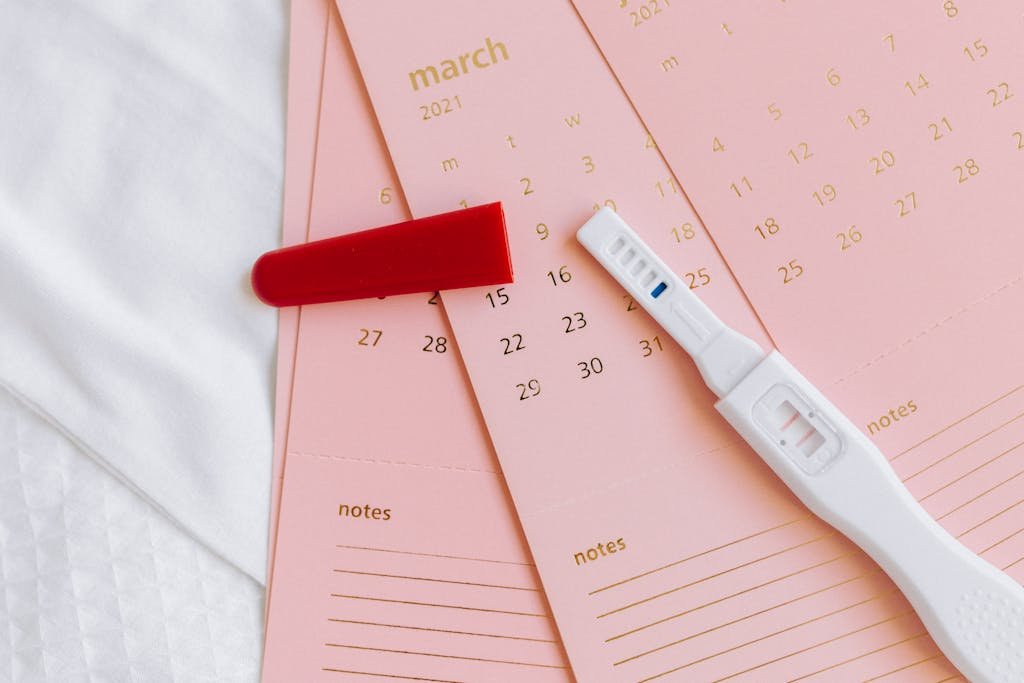
hCG is the hormone that increases in the early stages of pregnancy and will typically rise quickly during the early weeks. This is also the hormone that’s tested when you take a home pregnancy test. If there are concerns about the way your pregnancy is developing in the early stages, a fairly common test is for hCG levels over several days and weeks. A decline in hCG in the first few weeks of pregnancy can indicate that a pregnancy isn’t progressing. A sustained rise in hCG levels usually provides reassurance that all is well, especially if there are no other concerns, but sudden changes to your hormones can make you feel both overwhelmed and extremely tired!
It’s thought that hCG levels can impact early pregnancy symptoms. For example, mothers carrying twins will typically have higher levels of hCG earlier in pregnancy and also typically report higher levels of sickness and other early pregnancy symptoms.
In early pregnancy:
- Progesterone relaxes muscles and ligaments, which can affect digestion, circulation and joints.
- Blood volume begins to increase to support the new life growing but also the development and growth of the placenta, the organ that will support your baby inside the womb (Yes, you’ve got to grow this too!)
- The uterus starts to respond to pregnancy hormones and gradually changes shape
- The nervous system becomes more sensitive to physical and emotional stress
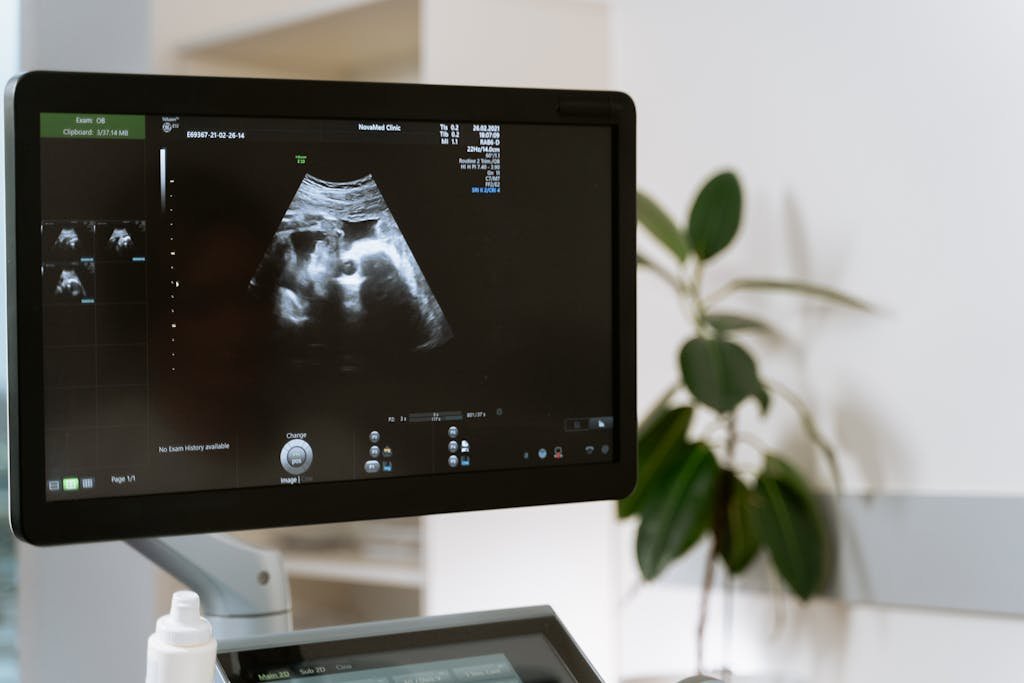
These changes can lead to symptoms that feel unfamiliar or unpredictable. Importantly, the intensity of symptoms does not reliably indicate how well a pregnancy is progressing. hCG testing, ultrasound scans from 7-8 weeks (when a heartbeat may be visible) and support from healthcare professionals is advised if you have concerns about how well your pregnancy is progressing.
Common early pregnancy symptoms
We’ve put together an overview of symptoms commonly experienced in early pregnancy. Each section provides context only. More detailed information is available in the linked articles.
Cramping in early pregnancy
Mild cramping in early pregnancy is common and often feels similar to period pain. This can be linked to hormonal changes and early uterine activity. Cramping that is mild, short-lived and not accompanied by heavy bleeding is often considered typical. These cramps can feel overwhelming if you’re already worried about bleeding and loss.
If you are experiencing cramping at around 5 weeks pregnant and are unsure what is normal, you can read more in Is Cramping Normal at 5 Weeks Pregnant?

Spotting or light bleeding
Light spotting in the first trimester can occur for a variety of reasons, including cervical sensitivity or hormonal changes. While spotting can be alarming (we’ve been there!) it does not automatically indicate a problem with your pregnancy.
Understanding when spotting is likely to be benign and when it may need assessment is important. Our article First Trimester Spotting: Causes, Normal vs Not explores this in detail.
Breast tenderness and changes
Breast tenderness is a common early pregnancy symptom and is linked to hormonal changes preparing the body for breastfeeding. Breasts may feel sore, heavy or more sensitive than usual. In fact, this is the first symptom many people have, especially if they are not used to breast tenderness as part of their monthly cycle.
I remember sitting in the staffroom at work and feeling heavy in my breasts, which alerted me to the fact I was 2 days overdue for my period. For many, breast tenderness may appear right alongside other period symptoms, so it can be a confusing time, especially if you’re trying to conceive and are looking to spot symptoms before a pregnancy test can reliably give you the facts.
Breast discomfort in pregnancy often fluctuates and may settle as the body adjusts. You can read more in Why Do My Breasts Hurt in Early Pregnancy?
We’ve also put together a Bra Fitting Guide for pregnancy and the postnatal period. You’ll want to take a look at this if you’re expecting, as we’ve pulled together the best advice on fitting, how often you should be fitted for a new bra in pregnancy and what to look for in a maternity bra or nursing bra.

Nausea and vomiting
Nausea, sometimes referred to as morning sickness, can begin early in pregnancy and may occur at any time of day. Some people experience mild nausea, while others find symptoms more disruptive.
Some people will tell you tales of what should work for you, but these hacks rarely work properly. One example is ginger, which many people will tell you is a great source of relief for morning sickness but in fact has no impact on the majority of people who try it.
You might find comfort in some foods over others at this time and have some food aversions as well as cravings. I needed to eat plain and salty foods, such as ready salted crisps and bread. Others feel they need to eat very frequently to keep sickness at bay, or that eating is a trigger in itself.
Many people will continue to feel nausea but are never physically sick. Others find that they are sick every day from the start of their pregnancy. You will find hope and relief in the general agreement that morning sickness starts to fade in the second trimester. In reality, many people experience this throughout the second trimester. It is not uncommon for sickness to return towards the end of pregnancy too.
The presence or absence of nausea does not reflect pregnancy health. Evidence-based strategies for managing nausea and sickness are covered in Nausea Relief in Early Pregnancy That’s Backed by Evidence. Well worth a read if you’re currently suffering and are fed up of the old wives tales!

Fatigue and exhaustion
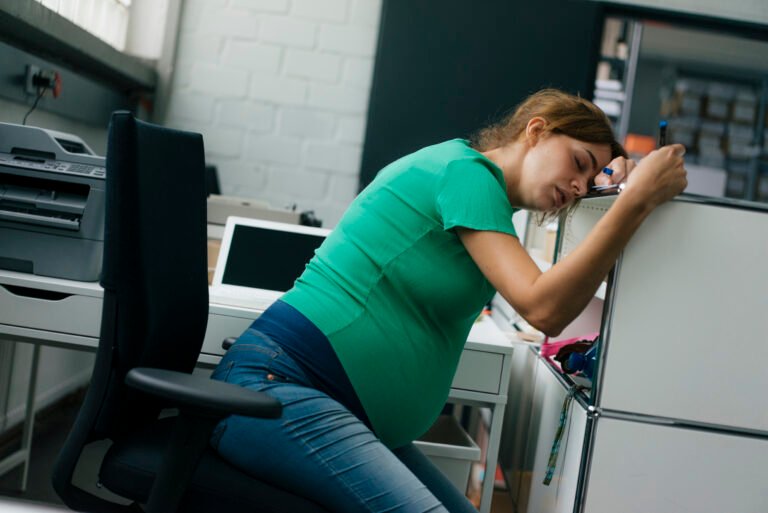
Feeling unusually tired is one of the most common early pregnancy symptoms. Hormonal changes, increased energy demands and emotional adjustment can all contribute to exhaustion. You might find that your normal daily activities are enough to make you unusually tired and in bed by 7pm.
Fatigue can be intense in the first trimester and often improves later. For reassurance and practical guidance, see Is It Normal to Feel Exhausted in Early Pregnancy?
Headaches and general aches
Some people experience headaches or general aches in early pregnancy. These may be linked to hormonal changes, dehydration, fatigue or changes in circulation.
Safe approaches to managing headaches are discussed in Early Pregnancy Headaches: Causes and Safe Relief Options.
Emotional changes and anxiety
Early pregnancy can bring emotional shifts including heightened anxiety, tearfulness or irritability. Hormonal changes play a role, but so does uncertainty. It’s completely normal to feel overwhelmed by the pregnancy journey ahead and your thoughts about becoming a parent.
Emotional changes are common and understandable. Our article Early Pregnancy Anxiety: What’s Typical and When to Get Help explores this further. We also have the wonderful Debra Russell as a guest writer on Postnatal Anxiety and What It Taught Me, which is a useful read whether you’re expecting your first baby or 10th baby!
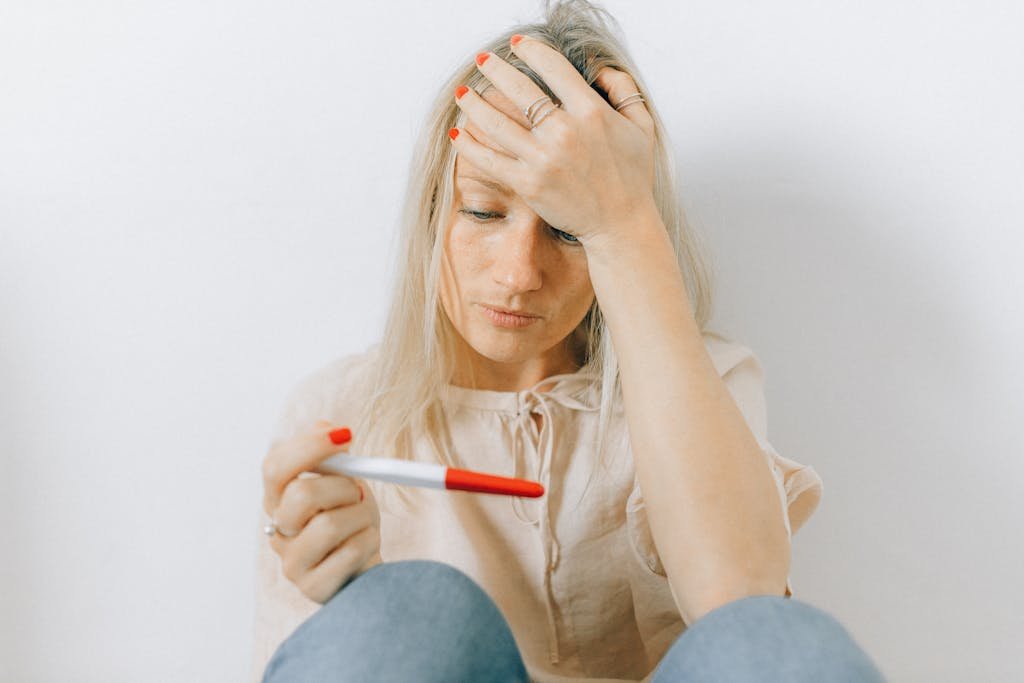
Early pregnancy symptoms that come and go
One of the most common sources of worry in early pregnancy is noticing symptoms that fluctuate or disappear altogether. It is normal for early pregnancy symptoms to come and go, particularly as hormone levels rise unevenly in the early weeks.
Changes in fatigue, nausea or breast tenderness over short periods of time are usually not a cause for concern on their own. What matters more is the overall pattern rather than a single day or moment.
You can read more about this in Early Pregnancy Symptoms That Come and Go: Is This Normal?
Early pregnancy with few or no symptoms
Some people experience very few early pregnancy symptoms. This can be reassuring for some and deeply worrying for others, especially when reading about more intense experiences online or hearing tales from friends and relatives.
Having no symptoms in early pregnancy does not automatically indicate a problem. Pregnancies progress in many different ways, and symptom intensity varies widely. Read our article Early Pregnancy With No Symptoms: Is That Normal? If that applies to you.
When to seek medical advice in early pregnancy
While many early pregnancy symptoms are normal, there are situations where medical advice should be sought promptly. If you have already had a ‘booking’ appointment or self-referred to a maternity hospital or community midwifery service, you may already have contact details available. If not, your GP or 111 service may be a good first point of contact to manage your concerns.
It is important to contact a healthcare professional urgently if you experience:
- Severe or worsening abdominal pain
- Heavy bleeding or bleeding with clots
- One-sided pelvic pain
- Dizziness, fainting or shoulder pain
- Fever or signs of infection
These symptoms alone or together can indicate serious medical issues and should not be ignored.
Clear guidance on who to contact and when is outlined in When to Call Your Midwife or Doctor in Early Pregnancy.
Making sense of early pregnancy symptoms without panic
Early pregnancy symptoms are best understood in context. Patterns over time are more helpful than isolated sensations. It’s ok to accept reassurance from healthcare professionals whilst keeping an eye on your symptoms and requesting repeat appointments if your concerns persist.
Helpful questions to ask yourself include:
- Has this symptom changed significantly or suddenly?
- Is it accompanied by other concerning signs?
Trusting your instincts while grounding decisions in evidence can help reduce unnecessary anxiety.
If you would like support in building confidence around pregnancy-related decisions, 5 Steps to Confident Pregnancy & Parenting Decisions may be helpful.
A final word of reassurance
Early pregnancy is often marked by uncertainty. Symptoms may feel confusing, inconsistent or overwhelming particularly in the first trimester. Experiencing symptoms, or not experiencing them, does not define how a pregnancy will progress.
Access to clear, evidence-based information can help you feel more informed and supported. If you are ever unsure or concerned, seeking medical advice is appropriate and encouraged.
You are not expected to navigate early pregnancy alone.
References and further reading
https://www.nhs.uk/pregnancy/trying-for-a-baby/signs-and-symptoms-of-pregnancy
Read more from Pregnancy Pal
-
Is It Normal to Feel Exhausted in Early Pregnancy?
Exhaustion in early pregnancy can feel overwhelming. Many people are surprised by how intense fatigue can be, particularly in the first trimester. Feeling extremely tired in early pregnancy is common and usually linked to hormonal changes. Early pregnancy exhaustion is not the gentle sort of “I stayed up too late watching telly” tired. It is…
-
Pregnancy Bra Fitting Guide: How to Get the Perfect Fit
If someone had told me that getting fitted for a bra would be one of the most helpful things in pregnancy, I might have blinked slowly and nodded while scrolling Instagram. But let’s be honest, when your body is doing the most dramatic redesign since puberty, a bra fitting in pregnancy moves from “optional” to…
-
Why Do My Breasts Hurt in Early Pregnancy?
Breast tenderness is often one of the earliest signs of pregnancy. For some people it is mild discomfort or an unusual tingling sensation around the breast, while for others it can feel surprisingly intense, making everyday movement uncomfortable. When this pain appears early on it can raise questions about what is normal and whether it…