Cervical Mucus Early in Pregnancy
Cervical mucus early in pregnancy: What’s normal and what’s not…
It’s one of the most interesting but least talked about subjects in pregnancy – the details of what is collecting in your underwear and what the specifics of your cervical mucus means in early pregnancy. Here at Pregnancy Pal we’ll take one for the team and delight you with the details behind one of the most taboo subjects your female friends aren’t letting you in on… cervical secretions in pregnancy.
It’s not uncommon for the first symptoms of pregnancy to be recognised on what will seem like a normal trip to the loo. In fact, the consistency, smell and colour of vaginal discharge can potentially be a strong indicator of your health throughout a normal menstrual cycle, so it’s obvious that it would also be impacted by changing hormones in early pregnancy too.
What happens to cervical mucus early in pregnancy?
To understand this properly, you need to understand how cervical mucus changes in the normal menstrual cycle.
Around the time of ovulation, due to a rise in oestrogen, cervical secretions become more watery, slippery and stretchy. This allows for sperm to travel through it and up towards the cervix, into the uterus, to fertilise a waiting egg.

After ovulation, when that clear, slippery fluid is no longer needed, cervical mucus tends to get thicker again. It can present as sticky or not very present at all. Towards the start of your period, it can also dry up slightly, before everything resets at the start of the cycle again.
During early pregnancy, the egg is successfully fertilised and your body moves into a state of preparation for the embedding of that egg in the lining of the uterus. It’s all systems go from a biological point of view (which is why you’re probably feeling super tired too!) and instead of dropping off a cliff, oestrogen and progesterone continue to rise. This, along with increased blood flow to the vaginal and cervical tissues, means that you’re more likely to notice increased cervical mucus early in pregnancy.
Because ovulation and conception has already taken place, the mucus doesn’t need to be clear, wet and slippery anymore. It can often change to being milky white discharge from around 4 weeks of pregnancy, though if you haven’t noticed this, don’t panic! The NHS stresses that every pregnancy is different and you might not feel or see every typical symptom.

You might hear or read the term leukorrhoea, sometimes used by professionals or in your medical records. This term is simply used to describe normal cervical mucus or discharge and is nothing to worry about on its own.
What does cervical mucus look like in early pregnancy?
There is no single typical pregnancy discharge appearance, but there are some signs to look out for that may tell you things aren’t quite right. Normal pregnancy discharge is usually described as clear or milky white and usually doesn’t have a very unpleasant smell. That’s not to say you won’t be able to smell it though, with heightened senses and often, a quest to find out if you’re pregnant or not, before an early pregnancy test can detect hormonal changes.
Creamy or milky white cervical mucus
This is the most commonly reported type of cervical mucus early in pregnancy. It seems that rising oestrogen and progesterone levels mean that the normal thicker mucus of the menstrual cycle doesn’t form and instead a milky residue may be present in your underwear from time to time.
Clear cervical mucus
This is also fairly common and is often linked to rising oestrogen levels and higher than usual blood flow to the surrounding tissues. It’s fairly normal to spot this type of discharge, so don’t worry if you are seeing this for longer than usual.
Sticky or thicker cervical mucus
This is not always the most highly reported cervical mucus change in early pregnancy but it doesn’t mean that anything is wrong. As with a lot of pregnancy symptoms, they vary across different people and even different pregnancies. If you’ve done this before, it doesn’t mean that every difference is a problem. Monitor and keep a record of your discharge if you’re worried and take this to a GP or midwife for analysis.
Watery discharge in early pregnancy
Watery discharge early in pregnancy is also not uncommon. Again this can be down to those hormone changes happening in the very early days, sometimes before you can even take a test.
Does cervical mucus change before a positive pregnancy test?
The short answer is yes – it can change before you’ve taken a pregnancy test, but the problem is that you will never know for sure until you see those lines on the stick! Because cervical mucus changes happen every month as part of your normal cycle, there’s no way to definitely prove pregnancy with this symptom alone.

After ovulation happens, progesterone is released and this impacts cervical mucus whether the egg was fertilised or not. For this reason, so many people mix up normal symptoms from the second half of their normal menstrual cycle with early pregnancy symptoms. Why? Because they are looking harder than ever for the little signs. Only a positive pregnancy test can confirm a pregnancy.
Cervical mucus before your period vs early pregnancy
Before your period, progesterone is high during the luteal phase and cervical mucus may become thicker, creamier, stickier or less noticeable. In a pregnancy cycle, some of those same hormonal influences are present, so discharge can look similar.
If you are pregnant, you might notice that discharge increases or remains creamy or milky rather than drying up, but that isn’t consistent enough to use as a pregnancy test.
The NHS lists both sore breasts and increased discharge amongst possible early pregnancy symptoms but these symptoms vary enormously between pregnancies.
If your period is late and you’re reading this article to find out if you could be pregnant, the only sure way to know is with a pregnancy test.
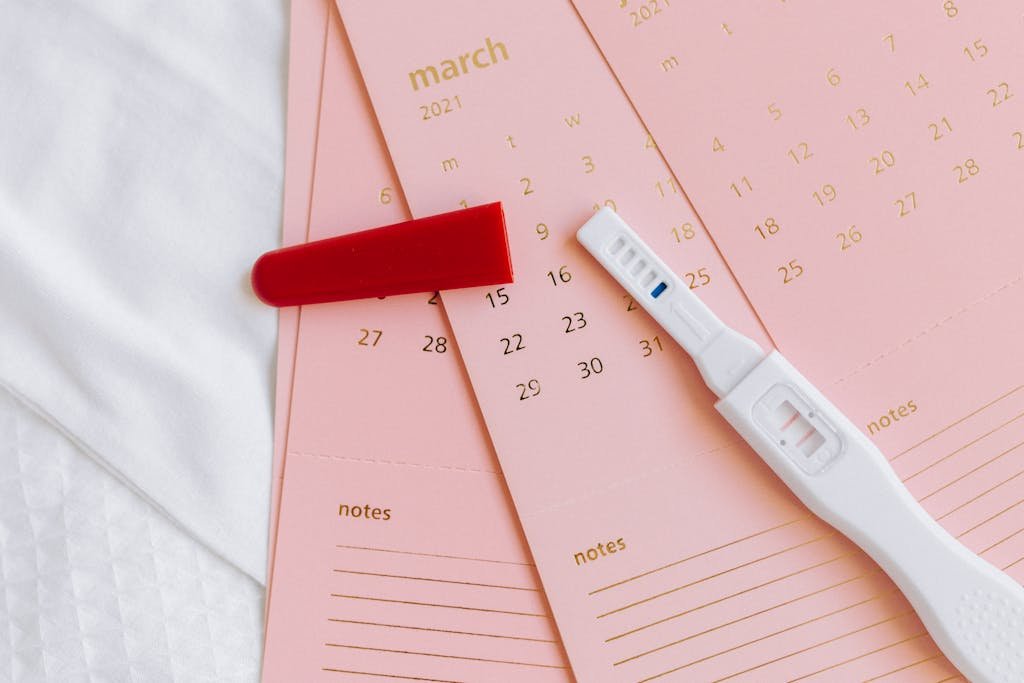
Is increased cervical mucus an early pregnancy symptom?
In short – it can be. But again, you can’t know for sure without a pregnancy test. If you’re worried about an increase in cervical mucus, you might want to figure out whether going to see a doctor is a good plan of action. Follow these rules:
If the discharge is clear, milky white and does not smell unpleasant, it’s more than likely normal. If the discharge is yellow or green, smells unpleasant or comes with any other concerning symptoms, make an appointment to see a clinician right away.
If you think you could be pregnant, you might want to read our guide to other early pregnancy symptoms.
Brown, pink or blood-streaked cervical mucus in early pregnancy
Spotting in early pregnancy can be a worry and it’s something we’ve covered in detail on our First Trimester Spotting Guide. Whilst it will be understandably concerning, some spotting can be common in early pregnancy and it isn’t always a cause for concern. Nevertheless, it’s something that should be assessed further.

Light pink or brown coloured discharge or tinted mucus can sometimes mean that a small amount of blood has mixed with vaginal discharge.
Brown blood is generally older blood that has taken a little while longer to leave the body, whilst pink discharge can occur when a small quantity of fresh blood mixes with normal discharge.
This light spotting can be visible during early pregnancy. Some people attribute this to implantation spotting, though this hasn’t been proven. One possible cause of bleeding can be the changes to blood vessels around the cervix which can make this area more prone to bleeding, including after sex.
Sadly though, some spotting and bleeding can be a sign of other concerns, such as infections, miscarriage, ectopic pregnancies, molar pregnancies or problems with the placenta. It is a good idea to get checked out if you’re seeing brown or pink mucus.
In the UK, if you are less than 20 weeks pregnant, you will usually attend an Early Pregnancy Unit – you should have details to contact your closest unit from your Booking Appointment. If you haven’t yet had a booking appointment or referral to the maternity unit of your choice, you may need to contact NHS 111 to find the most relevant service in your area.

If you are 20 weeks pregnant or more, you will usually attend your maternity unit’s triage point for assessment. Don’t delay visiting if you have concerns. You should also be able to call for advice or reassurance.
Yellow or green cervical mucus in early pregnancy
Yellow or green cervical mucus can be a strong indicator of infection, so it’s important to get the right medical assessment as soon as possible. Other signs that could point to an infection might be an unpleasant smell, itching around the area, some soreness or pain when urinating.
However not all of these symptoms may be present, so don’t wait for further concerns before getting checked out.
The National Childbirth Trust recommends speaking to a midwife of healthcare professional if your cervical mucus develops an unpleasant smell or becomes yellow or green. NCT (National Childbirth Trust)
Cervical mucus vs the mucus plug: they’re not the same thing
Just to be clear, cervical mucus is not the same as the ‘mucus plug.’
After conception, your body works hard to implant the egg and create a great environment for your baby to grow and develop. Part of this is reducing the risk of infection. Mucus forms a solid plug within the opening of your cervix, ensuring that there is less of a risk from incoming bacteria.
During early labour, or during the days leading up to it, the mucus plug can come away from the cervix. This is often slightly blood tinged and can often be seen in the toilet in the run up to birth. Not everybody will see the mucus plug (you might have heard this references as ‘the show’ or ‘a bloody show’, so don’t worry if you never catch sight of it!

When we talk about cervical mucus, we aren’t talking about the mucus plug. We’re talking about vaginal secretions that happen on a daily basis. You’ll sometimes see the residue in your underwear or when you wipe after visiting the toilet. In some cases, you might never realise it is there.
When should I speak to my midwife or doctor about discharge?
If you are concerned about any aspect of your pregnancy you should always consult your midwife, GP or healthcare team.
Things to be on alert for are unusual smells, green or yellow discharge, itching and soreness or bleeding. Anything that feels different or concerning is worthwhile getting checked. Don’t delay seeing a healthcare professional if you are worried about your health or your pregnancy and don’t compare yourself to others or your previous pregnancies.
Frequently asked questions about cervical mucus in early pregnancy
What does cervical mucus look like at 4 weeks pregnant?
This can be different for everyone, but it is likely to be clear or milky white with no unpleasant smell. There may be slightly more than usual, but it’s unlikely you’ll be able to notice the different significantly from your normal menstrual cycle. The only difference is that this stage may last longer if you are pregnant – if you aren’t, the cycle should run around again, eventually leading to a period and then another ovulation window where wet, clear and stretch mucus is the norm.
Can you have no cervical mucus and still be pregnant?
Yes, a pregnancy test is the only way to tell for sure that you are pregnant. Monitoring cervical mucus early in pregnancy is not going to be able to confirm a pregnancy before a test can.
Does cervical mucus increase after implantation?
It doesn’t necessarily increase, but it’s less likely to decrease as it usually would if an egg was not fertilised. The normal pattern would be for oestrogen to drop off after ovulation – it should continue to rise after implantation, so you could expect to see more mucus, or just a continued stream of what you had for the previous couple of weeks.
Is watery cervical mucus normal in early pregnancy?
It can be – and if it doesn’t smell offensive or contain green, yellow, pink or brown streaks, it is likely to be a sign of good health. It cannot confirm a pregnancy though.
It can be – and if it doesn’t smell offensive or contain green, yellow, pink or brown streaks, it is likely to be a sign of good health. It cannot confirm a pregnancy though.
Read more from Pregnancy Pal
-
5 Baby Led Weaning Accessories to Make Life (and Cleaning!) Easier.
Mushie Silicone Suction Plate If you’re looking for baby led weaning accessories that will actually save you from some of the mess, suction plates are a winner. They are one of those things that seem completely unnecessary right up until the moment your baby discovers that plates can be launched across the kitchen, broccoli in…
-
One Positive Birth Story (and how it can change everything)
Sometimes, you hear one positive birth story and it stays with you. There’s something unique about someone else’s experience quietly having the power to change the direction of your own story. For Nicole Harwood, it was hearing one woman talk about giving birth at home that planted a seed. Until then, birth had largely been…
-
Early Pregnancy Headaches: Causes & Safe Relief
Headaches are one of those pregnancy symptoms that can catch you slightly off guard. Nausea? Expected. Sore breasts? You might have been watching out for those bad boys. But waking up with a thumping head for the third morning in a row can leave you wondering whether this is another pregnancy thing or something you…